
When it comes to roof insurance claims, many homeowners find themselves wondering, “How old can my roof be before insurance claims it’s too old?” This is a crucial question because the age of your roof can directly impact your ability to receive coverage. Insurance providers have different policies regarding roof coverage, and older roofs are often subject to stricter limitations. This blog will explore key factors that affect roof insurance claims, different types of roof insurance policies, when insurance might only pay for repairs or partial replacements, and tips for navigating the claims process.
Key Factors Affecting Roof Insurance Claims
Policy Type and Roof Coverage
The type of homeowner’s insurance policy you have is a primary determinant of your roof coverage. Policies vary from insurer to insurer and can be influenced by local and state regulations. Some insurance policies offer full replacement coverage, while others may only cover the depreciated value of your roof. Certain policies exclude coverage for roofs beyond a specific age, while others may require regular maintenance records to validate claims. Before purchasing or renewing your policy, it’s essential to carefully review the terms to understand what’s covered, what’s excluded, and whether your roof’s age might impact potential claims.
Roof Condition and Maintenance History
Your roof’s current condition and its maintenance history also play a crucial role in insurance claims. A well-maintained roof is less likely to sustain severe damage, increasing your chances of receiving a claim approval. Insurers may deny claims if they determine that a roof was neglected or improperly maintained. To ensure eligibility, homeowners should conduct routine roof inspections, keep records of repairs, and address minor issues before they become major problems. Maintaining documentation of your roof’s condition can also be beneficial when filing a claim.
Cause of Roof Damage
The cause of the roof damage significantly influences insurance claims. If the damage is caused by a covered peril—such as a storm, hail, or fire—insurance is more likely to cover repairs or replacement. However, damage due to wear and tear, improper installation, or lack of maintenance is often not covered by insurance policies. Understanding the difference between sudden damage and gradual deterioration can help homeowners file more successful claims and avoid unexpected denials.
Local Building Codes and Regulations
Local building codes and regulations may require certain standards or materials for roofing. If your roof doesn’t comply with these regulations, it could affect your insurance claim. Some insurers may refuse to pay for repairs or replacements unless the new roof meets current code requirements. In some cases, homeowners may need to cover additional costs for upgrades beyond what insurance covers. Being aware of your local building codes can help prevent surprises during the claims process.
Understanding Different Types of Roof Insurance Policies
Actual Cash Value (ACV) Policies
ACV policies take into account the age and condition of your roof at the time of damage. They cover the cost of the roof minus depreciation, meaning you might receive significantly less than the actual replacement cost. For example, if your roof is 15 years old and its lifespan is estimated at 30 years, the insurance company may only cover half of its replacement cost. While ACV policies often have lower premiums, they may leave homeowners with substantial out-of-pocket expenses for roof replacement.
Replacement Cost Policies
Replacement cost policies, on the other hand, cover the full cost of replacing your roof without factoring in depreciation. These policies provide more comprehensive protection, ensuring that homeowners receive the funds needed to fully replace their damaged roofs. However, they typically come with higher premiums and may require additional documentation to verify the need for full replacement. For homeowners with older roofs, this type of policy can be a worthwhile investment.
Cash Value vs. Replacement Coverage
Choosing between ACV and replacement coverage depends on your financial situation and risk tolerance. Replacement coverage offers better protection but comes at a higher cost, while ACV policies may be more affordable but provide limited coverage. Homeowners should evaluate the pros and cons of each policy and consider their roof’s current condition when selecting coverage.
When Will Insurance Only Pay for Repairs or Partial Replacement?
Impact of Roof Age on Coverage
Older roofs are more prone to damages and, as a result, might only qualify for partial replacement or repair coverage under some insurance policies. Insurance providers often have age limits on roofs, with many refusing full replacement coverage for roofs older than 15-20 years. If a roof has exceeded its expected lifespan, homeowners may need to cover most or all of the replacement costs themselves.
Wear and Tear and Gradual Decline
Normal wear and tear or gradual decline due to aging is typically not covered by insurance. Homeowners are responsible for maintaining their roofs and addressing minor issues before they lead to major damage. Neglecting regular maintenance can result in claim denials, even if damage occurs due to a covered event.
Storm Damage vs. Wear and Tear
While storm damage is usually covered by insurance, damage due to wear and tear isn’t. It’s crucial to distinguish between sudden storm-related damage and gradual deterioration when filing a claim. Providing clear evidence, such as time-stamped photos, professional inspection reports, and weather reports from the day of the damage, can help strengthen a claim.
Filing a Roof Insurance Claim for an Older Roof
Steps to Take After Roof Damage
First, document the damage and contact your insurance company as soon as possible. Next, mitigate any further damage—for instance, by covering a leak with a tarp. Delays in reporting damage can lead to claim denials, so acting quickly is essential.
Documenting Roof Condition for a Claim
Take pictures and videos of the damage, and maintain records of any repairs or maintenance. These documents can provide valuable evidence when filing a claim. Having past inspection reports or invoices for previous repairs can also help prove that the roof was in good condition before the incident.
Working with Insurance Adjusters
Insurance adjusters assess the extent of the damage and determine the payout. Cooperating with them and providing all necessary documentation can facilitate the claim process. In some cases, hiring a public adjuster or an experienced roofing contractor can help ensure a fair assessment.
Roof Age and Roofing Materials: How Long Do Different Roofs Last?
Asphalt Shingles and Their Lifespan
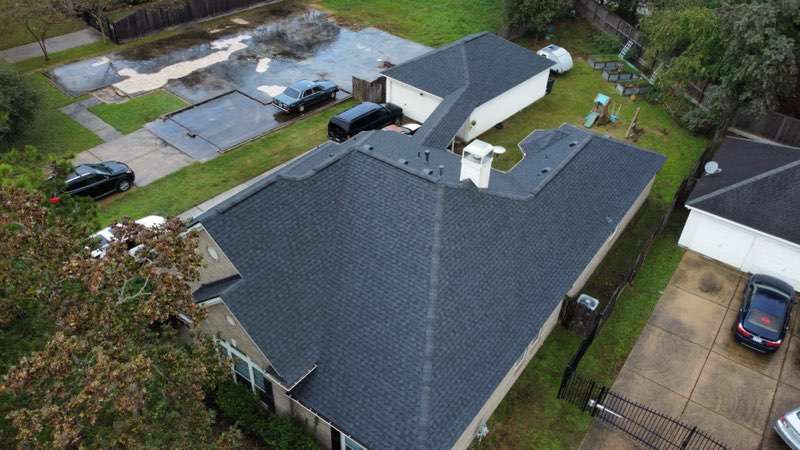
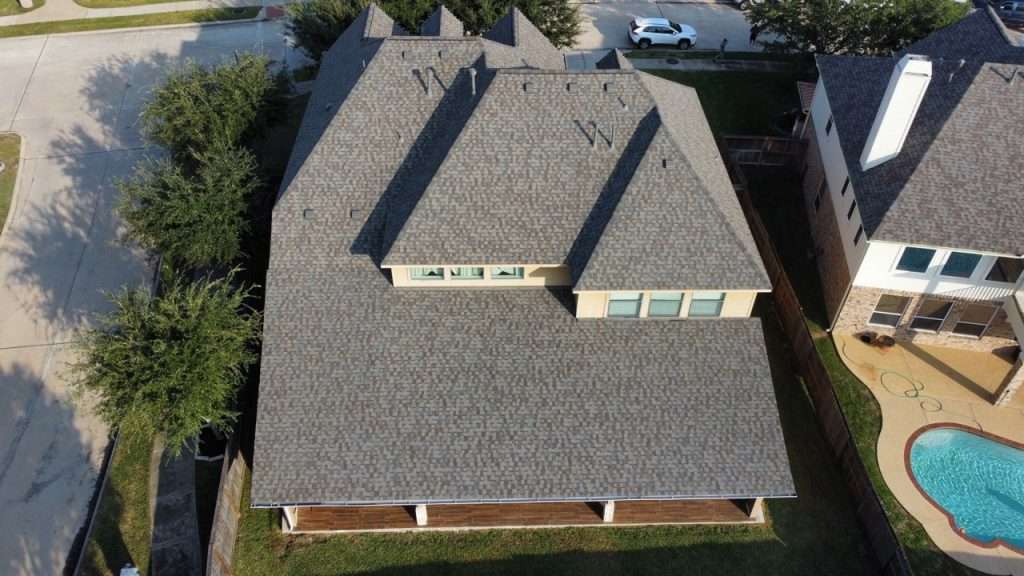
Asphalt shingles are common and affordable, but they typically last 15-30 years, which is less than many other roofing materials. Insurance companies may reduce or deny coverage for asphalt shingle roofs older than 20 years.
Metal Roofs and Their Durability
Metal roofs are more expensive but can last 40-70 years, depending on the type of metal used and maintenance provided. They are often favored by insurers due to their durability and resistance to storm damage.
Tile and Slate Roofs
Tile and slate roofs are durable and long-lasting, often with lifespans of 50-100 years or more. However, they are also more expensive, and repairs can be costly, even if partially covered by insurance.
Costs to Replace or Repair an Old Roof
Factors Influencing Roof Replacement Costs
Several factors can affect roof replacement costs, including the size of your roof, the type of materials used, labor costs, and your location.
Impact of Insurance Payout on Roof Replacement
An insurance payout can significantly reduce out-of-pocket expenses for a roof replacement. However, the payout amount depends on your policy type and the cause of damage.
Costs Beyond Insurance Payouts
Insurance may not cover all costs. Homeowners might need to pay for better quality materials, code upgrades, or additional repairs out of pocket.
Should You Replace Your Roof Before It’s Too Late?
Proactive Roof Maintenance and Inspections
Regular maintenance and inspections can extend the life of your roof and help you avoid costly repairs or replacements.
How to Extend the Life of Your Roof
Proper ventilation, insulation, prompt repairs, and cleaning can help prolong your roof’s lifespan.
At Executive Roofing, we specialize in helping homeowners navigate roof insurance claims and replacements. If you’re concerned about your old roof, contact us today for a professional consultation and expert guidance.
Conclusion
Understanding how the age of your roof impacts insurance claims is essential for making informed decisions about maintenance, repairs, and replacements. Whether your roof has suffered storm damage or is simply aging, knowing your policy details and taking proactive steps can help ensure the best possible outcome when filing a claim.
At Executive Roofing, we specialize in guiding homeowners through the insurance claim process and providing high-quality roof replacements that meet industry standards. As a family-owned business committed to integrity and customer satisfaction, we’re here to help protect your home and investment. If you’re unsure about your roof’s condition or insurance coverage, contact us today for a professional inspection and expert guidance on your next steps.