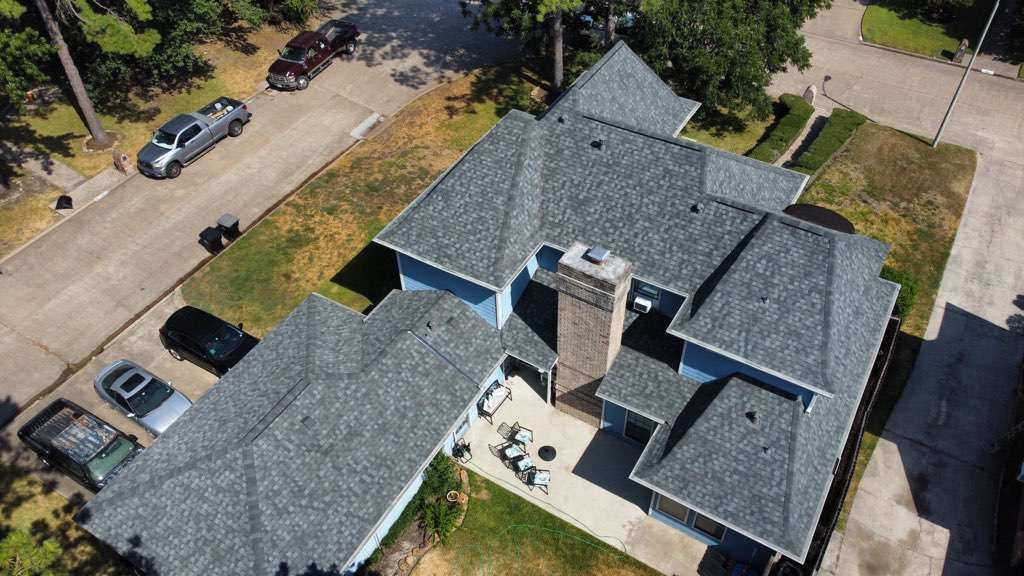
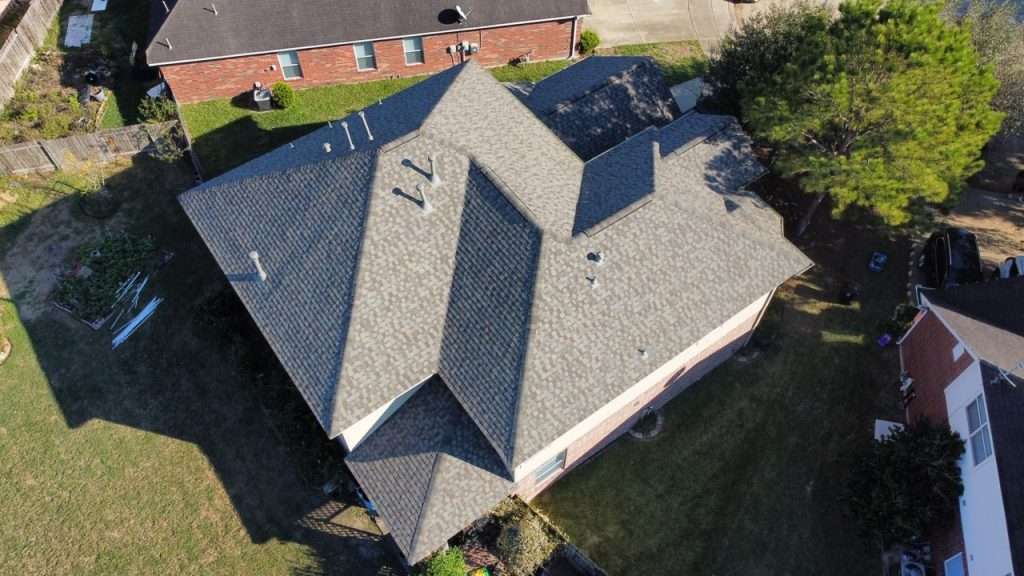
Understanding Roof Lifespan and Maintenance
The lifespan of a roof is influenced by various factors, including the materials used, local climate, and maintenance practices. Homeowners should be aware of the expected lifespan of different roofing materials, such as asphalt shingles, metal roofs, and tile roofs, to make informed decisions regarding repairs and replacements.
Regular maintenance can extend the life of a roof significantly. Simple tasks such as cleaning gutters, checking for missing shingles, and inspecting for leaks can prevent more extensive damage and costly repairs down the line. For instance, a well-maintained asphalt shingle roof can last 20-25 years, while metal roofs can last 40 years or more with proper care.
Common Roofing Issues and Solutions
Homeowners often encounter common roofing issues such as leaks, missing shingles, and sagging roofs. Identifying these problems early can prevent further damage and costly repairs. It's essential to recognize the signs of roofing issues, which can include water stains on ceilings or walls, granules in gutters, and visible wear and tear.
Solutions to these common problems vary depending on the severity of the issue. For minor leaks, homeowners may apply roofing sealant, while more significant damage may require professional intervention. Regular inspections by a qualified roofing contractor can help catch these issues early, ensuring the longevity and integrity of the roof.
Choosing the Right Roofing Material for Your Home
Selecting the appropriate roofing material is crucial for both aesthetic appeal and functionality. Factors to consider include the climate of the area, the architectural style of the home, and budget constraints. Popular options include asphalt shingles, metal roofing, slate, and tile, each with its own advantages and disadvantages.
For example, while asphalt shingles are cost-effective and easy to install, they may not perform as well in extreme weather conditions compared to metal roofing. On the other hand, metal roofs are durable and energy-efficient but come at a higher upfront cost. Homeowners should weigh these factors carefully to choose the best roofing material for their specific needs.
Importance of Hiring a Professional Roofing Contractor
Engaging a professional roofing contractor is essential for ensuring that roofing projects are completed safely and effectively. Professionals bring expertise, experience, and specialized tools that can make a significant difference in the quality of the work performed. This is particularly important for complex tasks such as installations, repairs, and inspections.
Moreover, hiring a licensed and insured contractor protects homeowners from potential liabilities and ensures compliance with local building codes. A reputable contractor will also provide warranties for their work, giving homeowners peace of mind. It's advisable to research and compare multiple contractors to find the best fit for your roofing needs.