
Getting your insurance to pay for a roof replacement can seem like a complex and daunting task. However, it becomes easier when you understand how roof replacement insurance coverage works and what steps you need to take to file a successful claim. Many homeowners miss out on coverage due to a lack of understanding of the claims process, resulting in out-of-pocket expenses. This comprehensive guide will walk you through the process and provide actionable tips to maximize your insurance claim for roof replacement.
Understanding Roof Replacement Insurance Coverage
What Is Roof Replacement Coverage?
Roof replacement coverage is a part of your homeowner’s insurance policy that covers the cost of replacing your roof if it gets damaged due to specific perils mentioned in the policy. These perils commonly include fire, wind, hail, and other weather-related events. However, not all policies are the same, and coverage may vary depending on the insurance provider and policy type. Some policies cover full replacement costs, while others may only provide partial coverage. Understanding the fine print of your policy can help prevent unexpected costs when it comes time to file a claim.
Types of Roof Insurance Coverage: Replacement vs. Repair
Insurance companies often differentiate between roof replacement and roof repair coverage. While replacement coverage pays for the cost of replacing the entire roof, repair coverage only covers the costs of fixing parts of the roof that are damaged. Whether your insurance will cover full replacement or just repairs depends on the extent of the damage, the age of your roof, and your policy terms. If your roof is older, some insurance companies may only cover the depreciated value rather than a full replacement. This distinction is important when assessing whether you will receive full coverage or need to contribute financially to the repair.
Does Homeowners Insurance Cover Roof Replacement?
Yes, most homeowners insurance policies will cover roof replacement if the damage is caused by a peril that is covered under your policy. However, it’s critical to check your policy to understand the specifics of what is and isn’t covered. Some policies may exclude certain types of damage, such as gradual wear and tear, improper maintenance, or damage caused by pests. Additionally, policies often have limitations based on the roof’s age—if your roof is beyond a certain number of years old, your insurance provider may only pay for its actual cash value (ACV) rather than full replacement costs.
The Steps to File a Roof Insurance Claim
Step 1: Review Your Homeowners Insurance Policy
The first step in filing a roof insurance claim is to thoroughly review your homeowners insurance policy. Understand what types of roof damage are covered and the difference between repair and replacement coverage. Make sure you are aware of any exclusions, deductibles, and the claims filing deadlines. If you’re unsure about any aspect of your policy, contact your insurance agent to clarify the details before moving forward. This can help you avoid claim denials or surprises in the reimbursement process.
Step 2: Prove Roof Damage for Your Claim
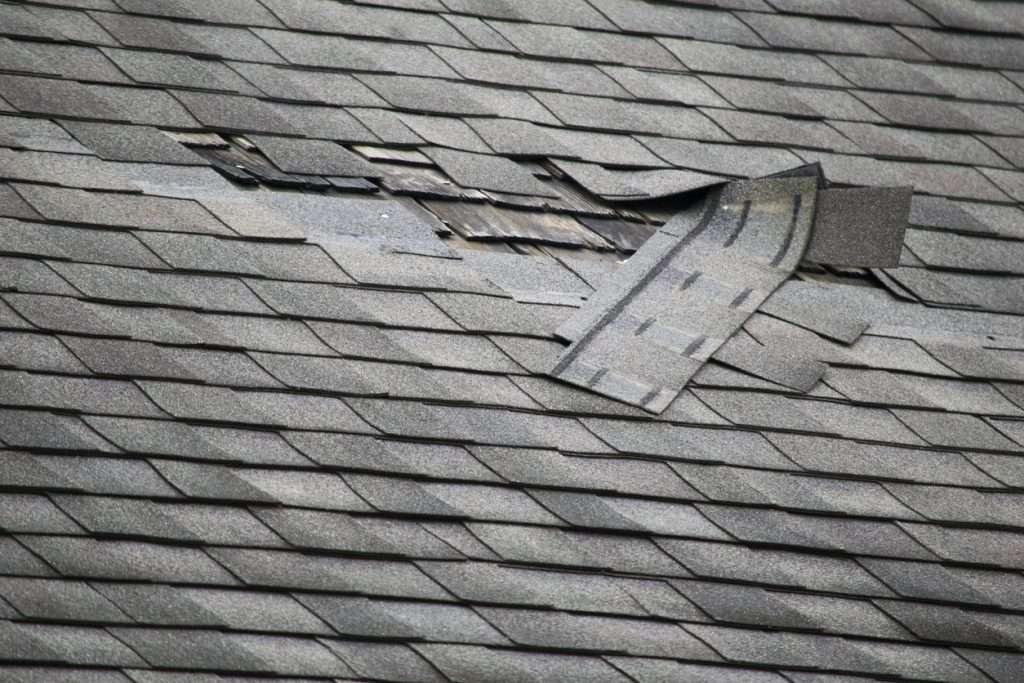
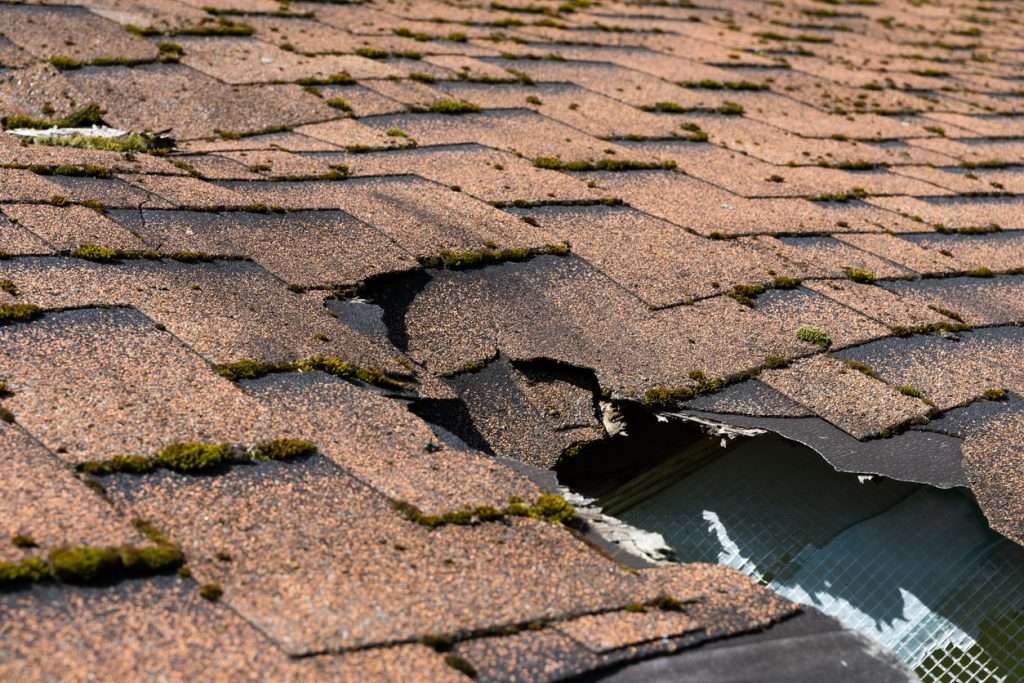
Documenting the damage is a crucial part of your insurance claim. Take photos of the damage from multiple angles and report it to your insurance company as soon as possible. The more evidence you provide, the stronger your claim will be. In addition to photos, keeping records of any previous roof repairs, maintenance logs, and weather reports from the day of the damage can help support your case. Timely reporting is essential, as waiting too long can lead to claim denial due to delayed maintenance or preventable worsening of the damage.
Step 3: Get a Professional Roof Inspection
Getting a professional roof inspection can help you understand the extent of the damage and estimate the cost of repair or replacement. Roofing contractors will look for signs of damage such as missing or cracked shingles, leaks, and water damage. A professional inspection report will serve as crucial evidence when negotiating with your insurance company. Some contractors specialize in working with insurance claims and can help you accurately document all damage to strengthen your case.
Step 4: Hire a Reputable Roofing Contractor
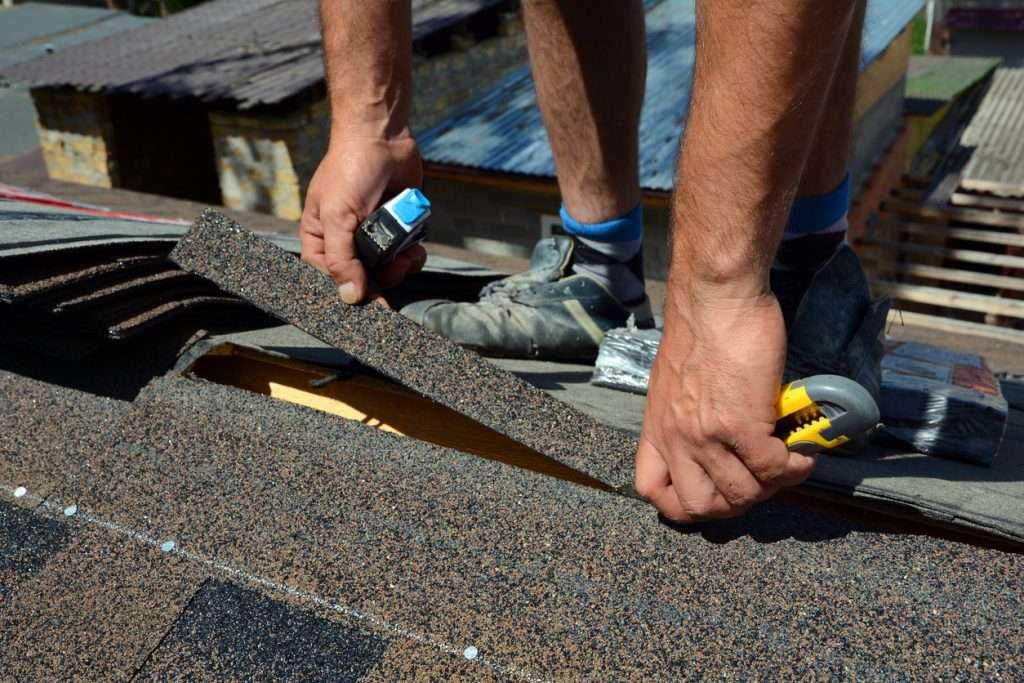
Hiring a reputable roofing contractor is essential to ensure a successful insurance claim. They can provide accurate estimates and work with your insurance company to process the claim. An experienced contractor can also point out hidden damage that may not be immediately visible but could lead to further issues down the line. Be sure to verify licensing, certifications, and customer reviews before hiring a roofing contractor to ensure they have the expertise to handle your insurance claim efficiently.
Step 5: Avoid Roofing Scammers
Be wary of roofing scammers who offer to handle your insurance claim. Red flags include pressure sales tactics, lack of licensing or insurance, and offering to pay your deductible. Scammers may also rush you into signing contracts without a proper damage assessment. Protect yourself by working only with well-reviewed, certified roofing professionals who have experience dealing with insurance claims.
Step 6: Stay in Contact with Your Insurance Agent
Maintain regular communication with your insurance agent throughout the claims process. Provide all necessary documentation promptly to avoid delays in claim approval. If your claim is denied or only partially covered, your agent can help you understand the reasoning and guide you on potential next steps, such as filing an appeal.
Common Roof Damage Types Covered by Insurance
Storm Damage
Insurance companies typically cover roof damage caused by storms, including hail, wind, and heavy rain. If you live in an area prone to severe weather, it’s essential to have adequate coverage and a plan for regular inspections after major storms.
Tree Damage
If a tree falls on your roof due to a covered peril, your insurance policy might cover the cost of repairs. However, if the tree was dead or in poor condition before the event, the claim could be denied due to neglect.
Wear and Tear vs. Insured Damage
While insurance covers damage due to unexpected events, it typically does not cover damage due to wear and tear. Regular maintenance is crucial to prevent such damage, as insurers may reject claims if they determine the roof was not properly cared for.
Roof Replacement Costs and Insurance
What Factors Affect Roof Replacement Costs?
Several factors can affect the cost of roof replacement, including the size of the roof, the type of materials used, and labor costs. The complexity of the installation and additional structural repairs may also impact the overall cost.
How to Estimate Roof Replacement Cost
Roof replacement cost is usually estimated per square foot. Roof inspection reports can also help in estimating costs, allowing you to negotiate with your insurance provider for fair compensation.
Cash Value (ACV) vs. Replacement Cost Value (RCV)
Insurance companies use either Actual Cash Value (ACV) or Replacement Cost Value (RCV) to determine the payout for a claim. ACV considers depreciation, while RCV covers the cost of replacing the damaged roof with a new one. Understanding these terms can help you assess how much your insurance will cover.
Tips to Maximize Your Insurance Claim for Roof Replacement
How to Ensure Full Coverage for Roof Replacement
To ensure full coverage, understand your policy, document all damage, hire a reputable contractor, and communicate effectively with your insurance company. Being proactive can help you receive the highest possible payout for your claim.
When Your Insurance Only Pays for Partial Roof Repairs
If your insurance only covers partial repairs, work with your roofing contractor to determine the best course of action. You might decide to pay for additional repairs out of pocket to ensure the longevity of your roof.
Navigating Deductibles in Roof Insurance Claims
Understand how your deductible and coverage limits factor into your insurance claim. You’ll need to pay your deductible before your insurance coverage kicks in, so planning ahead financially is key.
At Executive Roofing, We’re Here to Help
At Executive Roofing, we are committed to providing high-quality roofing solutions with integrity and excellence. As a family-owned and operated business serving Texas, we have years of experience handling roof replacement and insurance claims. We can guide you through the process, ensuring your satisfaction and safety. Contact us today for a professional roof inspection and let us help you with your roof replacement needs.