When it comes to commercial structures, the roof plays a crucial role in protecting the building and everything within it. But what exactly is commercial roofing? This blog post will guide you through the definition, importance, and various aspects of commercial roofing, helping you understand why selecting the right roof and contractor is critical to the longevity and efficiency of your business.
Definition of Commercial Roofing
Understanding Commercial Roofing
Commercial roofing refers to the materials and methods used to seal, protect, and enhance commercial structures such as warehouses, office buildings, retail stores, industrial facilities, and more. Unlike residential roofing, commercial roofing involves unique materials, construction techniques, and maintenance requirements that are tailored to the larger scale and specific needs of these buildings. It requires professional expertise to ensure durability, energy efficiency, and long-term performance.
Since commercial roofs are often larger and exposed to different environmental and operational challenges, they demand specialized installation methods and a more strategic approach to repairs and maintenance. The right commercial roofing system will not only shield the structure from the elements but also contribute to operational efficiency by reducing energy costs and minimizing maintenance expenses over time.
Importance in Commercial Buildings
A commercial roof serves as the first line of defense against environmental threats such as extreme weather, water damage, and temperature fluctuations. More than just a structural necessity, it also contributes to the building’s insulation, sustainability, and aesthetic appeal. A high-quality roofing system helps regulate indoor temperatures, preventing excessive heat loss during colder months and reducing cooling demands in hot climates.
Additionally, a well-maintained commercial roof increases property value and enhances curb appeal, which is particularly important for businesses that rely on foot traffic and customer impressions. By investing in proper roofing materials and maintenance, business owners can prevent costly damage, protect valuable assets, and ensure uninterrupted operations.
Differences Between Commercial and Residential Roofing
Design and Structure Variations
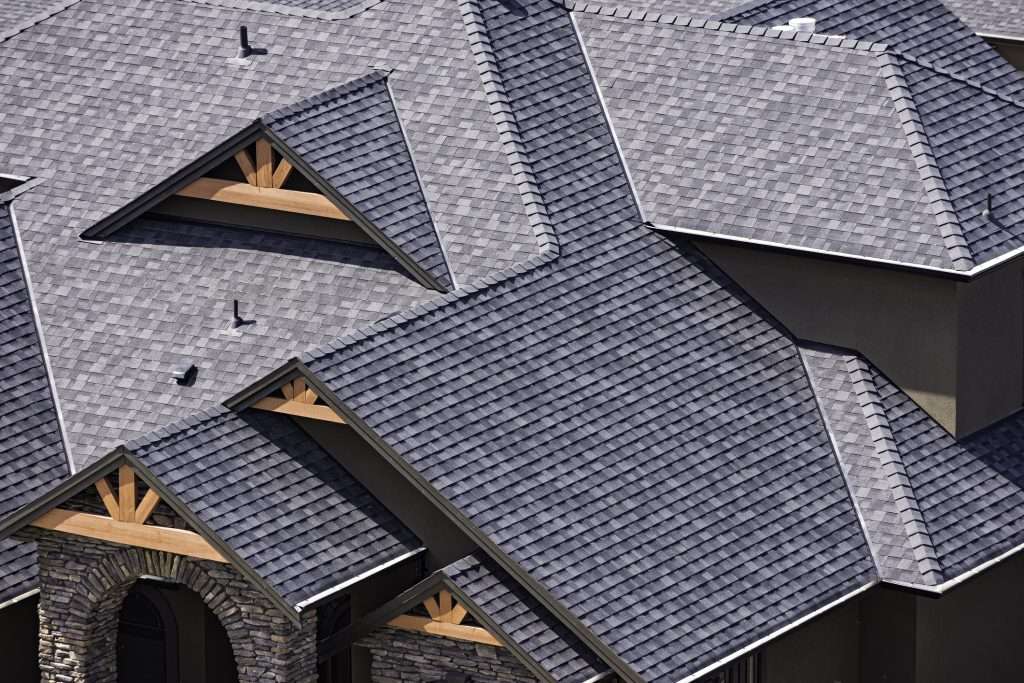
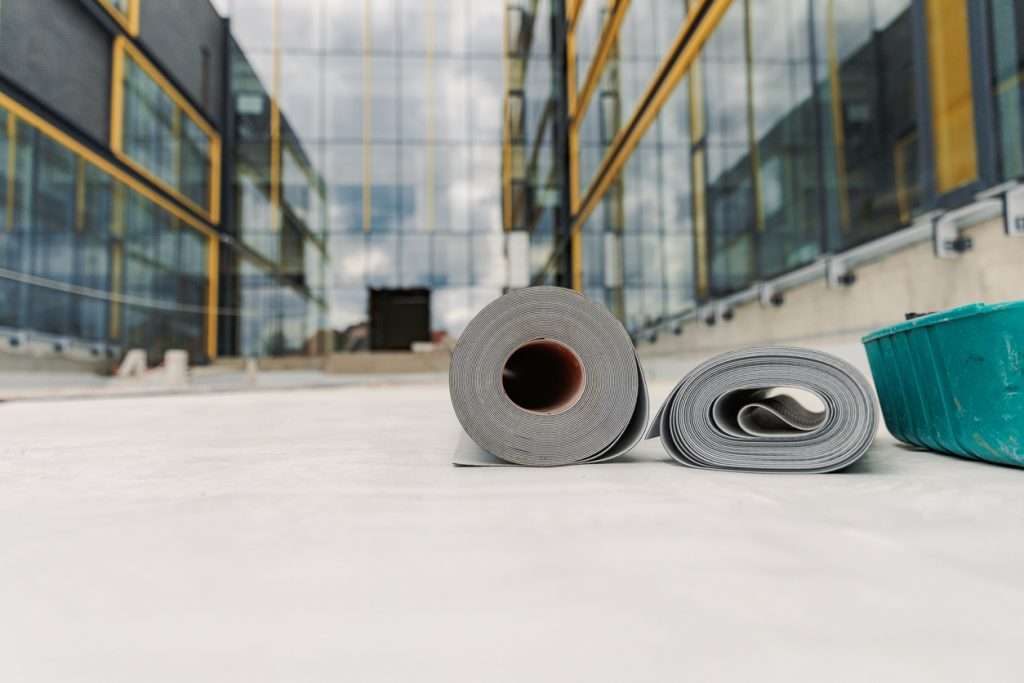
One of the key differences between commercial and residential roofing is the structural design. Most commercial buildings feature flat or low-slope roofs, which require specific waterproofing and drainage systems to prevent water accumulation. In contrast, residential roofs typically have steep slopes, which allow for natural water runoff and simpler installation techniques.
Due to their larger surface area, commercial roofs require a more intricate support structure and often accommodate additional features such as HVAC units, solar panels, and skylights. These factors make commercial roofing a more complex process that demands experienced professionals with specialized knowledge.
Material Differences
The materials used for commercial roofs differ significantly from those used in residential settings. While homes commonly use asphalt shingles, wood shakes, or tile roofing, commercial buildings require highly durable materials that can withstand extensive exposure to weather and environmental stressors.
Some of the most commonly used commercial roofing materials include:
- Single-Ply Membranes (TPO, PVC, EPDM): Known for their energy efficiency, flexibility, and resistance to UV damage.
- Modified Bitumen Roofing: Provides strong weather resistance and is designed for high-traffic areas.
- Built-Up Roofing (BUR): Consists of multiple layers of asphalt and reinforcing fabrics, offering excellent durability.
- Metal Roofing: A long-lasting, fire-resistant, and energy-efficient option that can last over 50 years.
Installation Complexities
Due to their size and structure, commercial roofs require a more involved installation process. Unlike residential roofs, which can often be completed in a few days, commercial roofing installations can take weeks depending on the project size and complexity.
Roofing professionals must ensure proper drainage, install multiple insulation layers, and use specialized equipment to apply materials effectively. Additionally, factors such as fire resistance, wind uplift ratings, and local building codes must be carefully considered to ensure compliance and safety.
Maintenance Requirements
Routine maintenance is essential for commercial roofs to ensure longevity and peak performance. Unlike residential roofs, which may only require occasional inspections, commercial roofing systems demand regular professional evaluations to detect and prevent potential issues such as leaks, ponding water, or membrane damage.
Scheduled maintenance often includes tasks like sealing seams, clearing debris from drains, and repairing small punctures before they turn into costly problems. Regular upkeep not only extends the life of the roof but also helps businesses avoid unexpected repair expenses and operational disruptions.
Common Commercial Roofing Materials
Single-Ply Membranes (TPO, PVC, EPDM)
Single-ply membranes are widely used in commercial roofing due to their flexibility, energy efficiency, and resistance to environmental stressors. Thermoplastic Polyolefin (TPO) and Polyvinyl Chloride (PVC) membranes reflect sunlight, reducing cooling costs and enhancing sustainability. Ethylene Propylene Diene Monomer (EPDM), a rubber-based material, is prized for its durability and ability to withstand extreme temperatures.
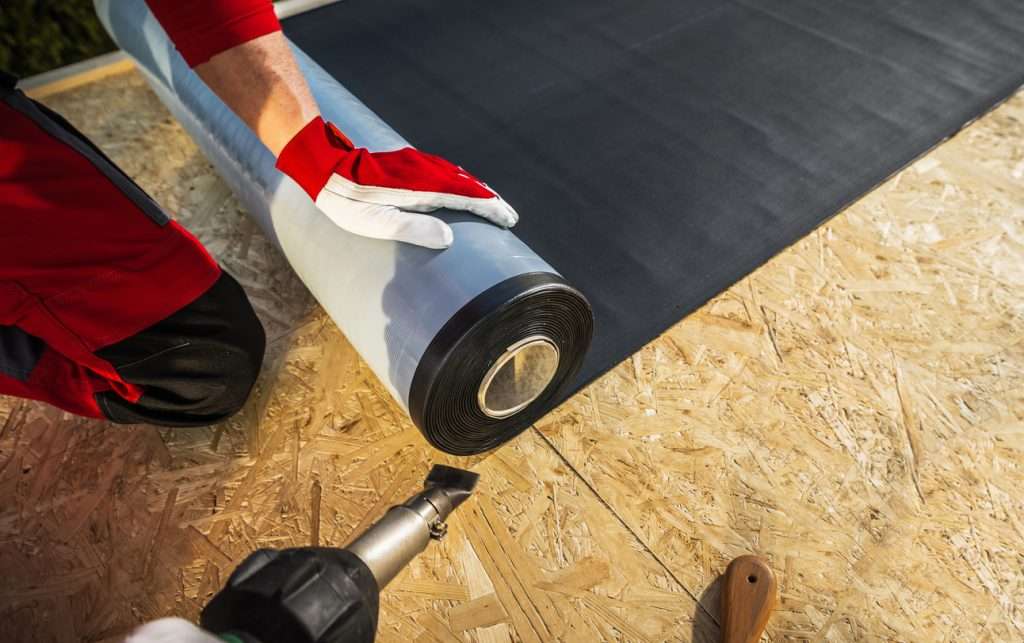
These roofing systems are typically applied in large sheets, minimizing seams and reducing the risk of leaks. Their lightweight design also makes them easier and quicker to install compared to traditional roofing materials.
Modified Bitumen Roofing
Modified bitumen is a hybrid roofing material that combines the advantages of built-up roofing with added flexibility. It is reinforced with layers of polyester or fiberglass, making it highly resistant to tears, impact damage, and extreme weather conditions.
This roofing type is an excellent option for buildings that require heavy foot traffic on the roof, such as those with mechanical equipment or frequent maintenance needs. It offers a balance of affordability, durability, and performance.
Built-Up Roofing (BUR)
Built-up roofing consists of multiple layers of bitumen and reinforcing fabrics, creating a highly durable and weather-resistant system. It has been a trusted choice for commercial roofing for over a century due to its ability to withstand harsh weather and provide superior insulation.
BUR is an excellent choice for low-slope or flat commercial roofs, as it effectively prevents water infiltration and enhances structural integrity. The multi-layered composition ensures long-lasting protection against wear and tear.
Metal Roofs
Metal roofing is one of the most durable and energy-efficient options for commercial buildings. With proper installation and maintenance, a metal roof can last over 50 years, making it a cost-effective investment in the long run.
Metal roofs are highly resistant to fire, wind, and moisture damage, making them an ideal choice for buildings in areas prone to extreme weather. Additionally, they can be coated with reflective finishes to improve energy efficiency and reduce heat absorption.
Concrete and Asphalt Shingles
Although less common in commercial applications, concrete and asphalt shingles are sometimes used for steep-slope commercial roofs. They offer aesthetic appeal and durability, making them a preferred choice for office buildings, churches, and retail establishments that prioritize visual appearance.
Types of Commercial Roofing Systems
Flat Roofs
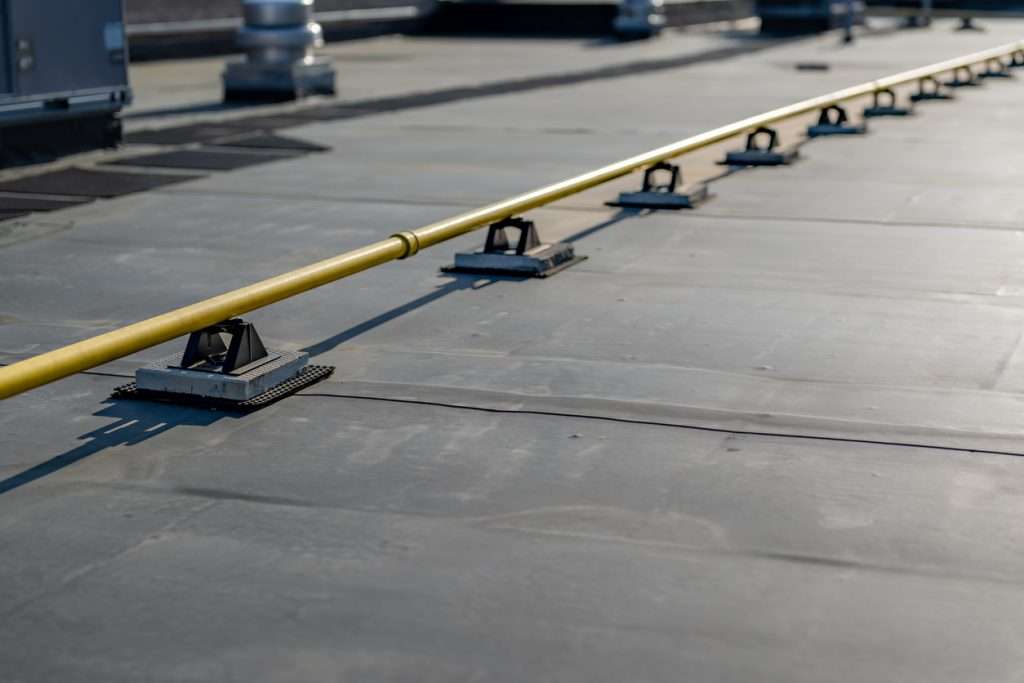
Flat roofs are the most common choice for commercial buildings due to their cost-effectiveness and ease of installation. They provide a stable surface for HVAC units, solar panels, and other mechanical equipment. However, they require a well-designed drainage system to prevent water pooling, which can lead to leaks and structural damage.
Low-Slope Roofs
Low-slope roofs have a slight pitch, allowing for better water drainage compared to completely flat roofs. They offer many of the same advantages as flat roofs but with improved water runoff, reducing the risk of standing water and leaks. This roofing type is often used in warehouses, large retail centers, and office buildings.
Steep-Slope Roofs
While less common in commercial construction, steep-slope roofs are sometimes used for office buildings, hotels, and high-end retail stores where aesthetics play a key role. They offer excellent water drainage and can accommodate a variety of materials, including metal, shingles, and tiles. Their visibility also allows for a more refined architectural design.
Factors Influencing Commercial Roofing Choices
Building Use and Design
The intended use of a commercial building significantly influences the choice of roofing system. A manufacturing facility with heavy machinery and exhaust systems might require a durable, heat-resistant roof, while a shopping center may prioritize aesthetic appeal and energy efficiency. The design of the building also dictates structural support needs and drainage requirements.
Weather Conditions
The local climate and weather conditions play a major role in selecting the right commercial roofing material. In areas prone to high heat, reflective roofing materials like TPO and metal can help reduce cooling costs. In regions with heavy rainfall or snow, a well-designed drainage system is essential to prevent structural issues.
Energy Efficiency Considerations
With rising energy costs, many businesses prioritize energy-efficient roofing solutions to reduce heating and cooling expenses. Cool roofing materials, solar-reflective coatings, and green roofing systems can all contribute to a building’s overall energy efficiency while improving indoor comfort.
Budget Constraints
The cost of materials and installation is always a critical factor when choosing a commercial roof. While some materials, such as metal and modified bitumen, have higher upfront costs, they offer long-term savings through durability and energy efficiency. Businesses must weigh initial investments against long-term benefits to make the best financial decision.
Commercial Roofing Installation Process
Selecting a Commercial Roofing Contractor
Choosing a reliable and experienced commercial roofing contractor is key to a successful roofing project. Look for a company with a strong reputation, proper licensing, and verified customer testimonials. The contractor should be well-versed in commercial roofing codes, safety regulations, and industry best practices.
Preparing the Building Structure
Before installation begins, the existing roofing structure must be assessed. This may involve removing the old roof, repairing any underlying damage, and ensuring the structure can support the new roofing system. Proper preparation helps prevent future issues and ensures a secure, long-lasting installation.
Installation Steps
The installation process varies depending on the chosen roofing system, but it typically involves:
- Applying a base layer or insulation for protection and energy efficiency.
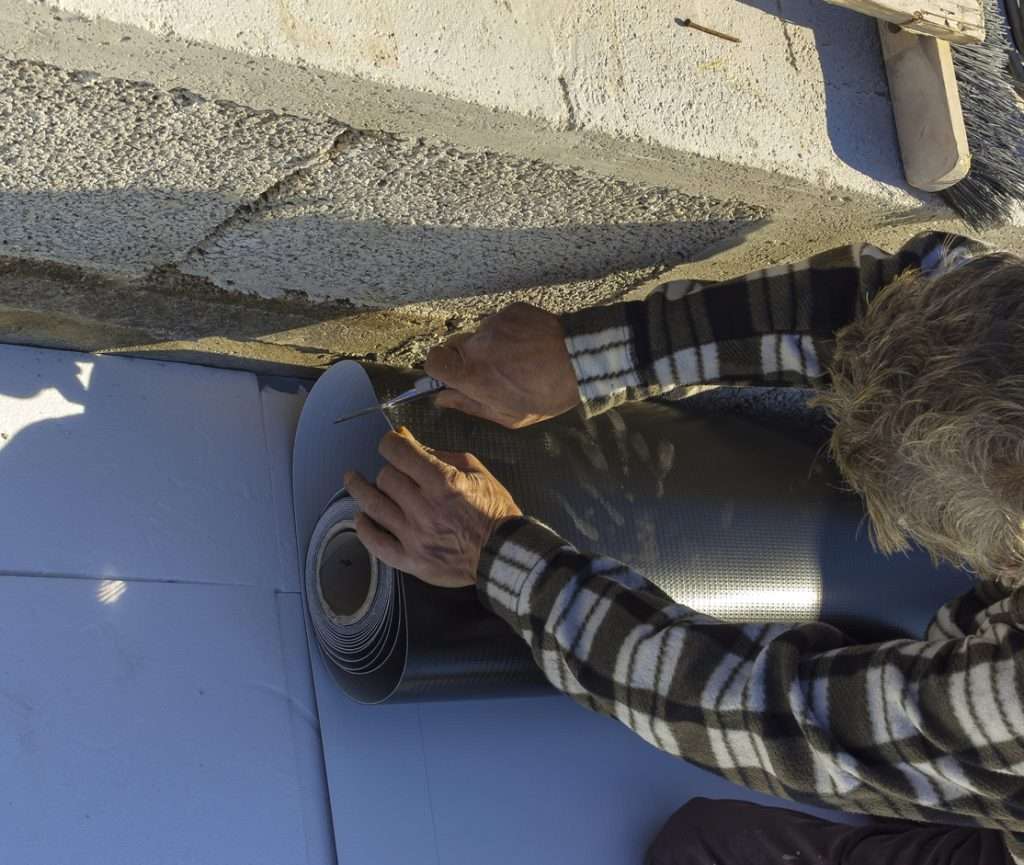
- Installing the primary roofing material in layers to enhance durability.
- Sealing seams and joints to prevent leaks and weather damage.
- Adding finishing touches such as gutters, flashing, and drainage solutions.
Quality Assurance and Inspections
After installation, the new roof should be inspected to ensure it meets all code requirements and industry standards. Professional inspections help identify any potential issues before they escalate into costly repairs, ensuring the roof’s performance and longevity.
Maintenance and Repair of Commercial Roofs
Regular Roof Inspections
Routine inspections are critical to identifying and addressing minor issues before they turn into major problems. Professional roofing inspections should be conducted at least twice a year, as well as after extreme weather events.
Common Roof Repairs
Some of the most common commercial roof repairs include:
- Fixing leaks and resealing seams.
- Replacing damaged or missing roofing materials.
- Repairing drainage systems to prevent water pooling.
Roof Maintenance Strategies
A proactive maintenance plan extends the life of a commercial roof. Regular tasks include:
- Clearing debris from drains and gutters.
- Applying protective coatings to enhance durability.
- Addressing small issues promptly to prevent costly damage.
Extending the Life of Commercial Roofs
A well-maintained commercial roof can last for decades. Proper installation, routine maintenance, and timely repairs are key to maximizing its lifespan. Investing in high-quality materials and working with a reputable contractor further ensures long-term durability and performance.
Selecting the Right Commercial Roofing Contractor
Evaluating Experience and Expertise
Choose a contractor with extensive experience in commercial roofing. A knowledgeable contractor will understand the complexities of large-scale roofing projects and offer tailored solutions for different business needs.
Checking Certifications and Licenses
Ensure the contractor is fully licensed, insured, and certified to perform commercial roofing work in your area. Industry certifications, such as manufacturer-approved installer status, indicate a high level of expertise.
Reviewing Past Projects and Testimonials
Look for customer reviews, testimonials, and past project portfolios to gauge the contractor’s reputation and quality of work. A reliable contractor will have a track record of successful commercial roofing projects.
Future Trends in Commercial Roofing
Sustainable Roofing Materials
Eco-friendly roofing options, such as green roofs, solar panels, and recycled materials, are gaining popularity as businesses strive for sustainability. These solutions help reduce environmental impact and improve energy efficiency.
Technological Advancements in Roofing
The roofing industry is evolving with technology, from drone inspections to smart roofing materials that detect leaks before they become major issues. These innovations improve efficiency and reduce maintenance costs.
Evolving Building Codes and Regulations
As building codes change, commercial roofing contractors must stay informed to ensure compliance. Adapting to new regulations helps businesses avoid fines and maintain safety standards.
Conclusion
Selecting the right commercial roofing system is essential for protecting your investment, improving energy efficiency, and ensuring long-term durability. Whether you need a new installation, repair, or maintenance for your commercial roof, working with an experienced contractor is the key to achieving optimal results.
At Executive Roofing, we specialize in high-quality commercial roofing solutions tailored to meet the unique needs of businesses in Texas. As a family-owned, customer-focused company, we take pride in delivering reliable roofing services backed by integrity, expertise, and superior craftsmanship.
Contact Executive Roofing today to learn more about our commercial roofing services and schedule a consultation. Let us help you protect your business with a strong, long-lasting roof that stands the test of time.