Proper roof ventilation is essential for protecting your home from heat, moisture, and long-term damage. In Texas, where temperatures soar and humidity levels stay high, a well-ventilated roof can mean the difference between comfort and costly repairs.
At Executive Roofing, we have seen what happens when ventilation is overlooked. This guide will walk you through the most common signs of poor roof ventilation, explain why they matter, and share expert solutions to keep your home safe and efficient.
Why Roof Ventilation Matters
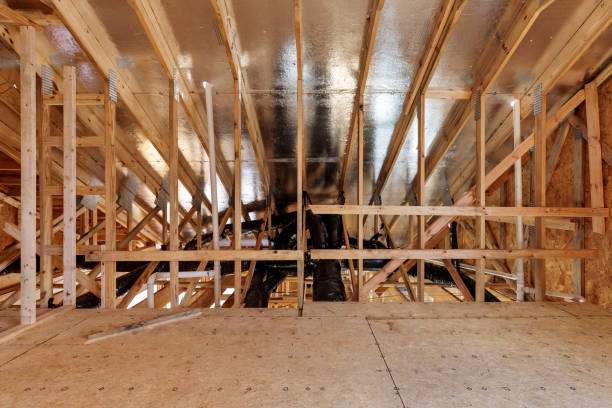
Your roof’s ventilation system allows fresh air to circulate through your attic and roof structure. When this airflow is blocked or insufficient, hot and moist air becomes trapped, creating a range of problems for your roof, insulation, and even your utility bills.
Proper ventilation helps:
- Reduce attic temperatures
- Prevent moisture buildup and mold growth
- Extend the life of your shingles
- Lower energy costs
Without it, your home becomes more vulnerable to damage from both the inside and outside.
1. Excessive Heat in the Attic
If your attic feels like a furnace even early in the morning, it could be a sign that air is not circulating properly. During the summer, poor ventilation traps heat in the attic, which then radiates into your living space and stresses your HVAC system.
Fix:
Install ridge vents and intake vents to create balanced airflow. Executive Roofing can evaluate your current system and recommend strategic vent placements to promote steady temperature control.
2. High Energy Bills
Have your cooling costs spiked? When attic temperatures climb due to poor ventilation, your air conditioner works harder to keep your home comfortable. This leads to increased energy usage and higher monthly bills.
Fix:
Improving ventilation helps reduce the attic heat load. Pair this with upgraded attic insulation for maximum efficiency and comfort.
3. Ice Dams in Winter
While not as common in Texas, ice dams can still occur during cold snaps. These form when warm attic air melts snow on the roof, which then refreezes at the edges, creating blockages and leaks.
Fix:
Proper ventilation keeps attic temperatures close to the outside air, preventing uneven melting and ice dam formation. Insulating your attic floor also reduces heat transfer from your home into the attic.
4. Mold and Mildew
Poor ventilation traps humid air, especially in areas like bathrooms or kitchens that vent into the attic. This moisture builds up and creates the perfect environment for mold and mildew growth, which can affect air quality and cause wood rot.
Fix:
Ensure your attic has both intake and exhaust vents. Consider adding a solar-powered attic fan or improving bathroom exhaust connections. Executive Roofing also provides moisture control assessments to catch hidden issues early.
5. Rust on Metal Components
Rust on nails, light fixtures, or metal brackets in the attic is often caused by excessive moisture. When humid air is not allowed to escape, condensation forms on cooler surfaces, leading to corrosion.
Fix:
Improve airflow with soffit and ridge vents. If your attic already has vents but rust is still appearing, it may indicate that airflow is unbalanced or blocked.
6. Curling or Cracked Shingles
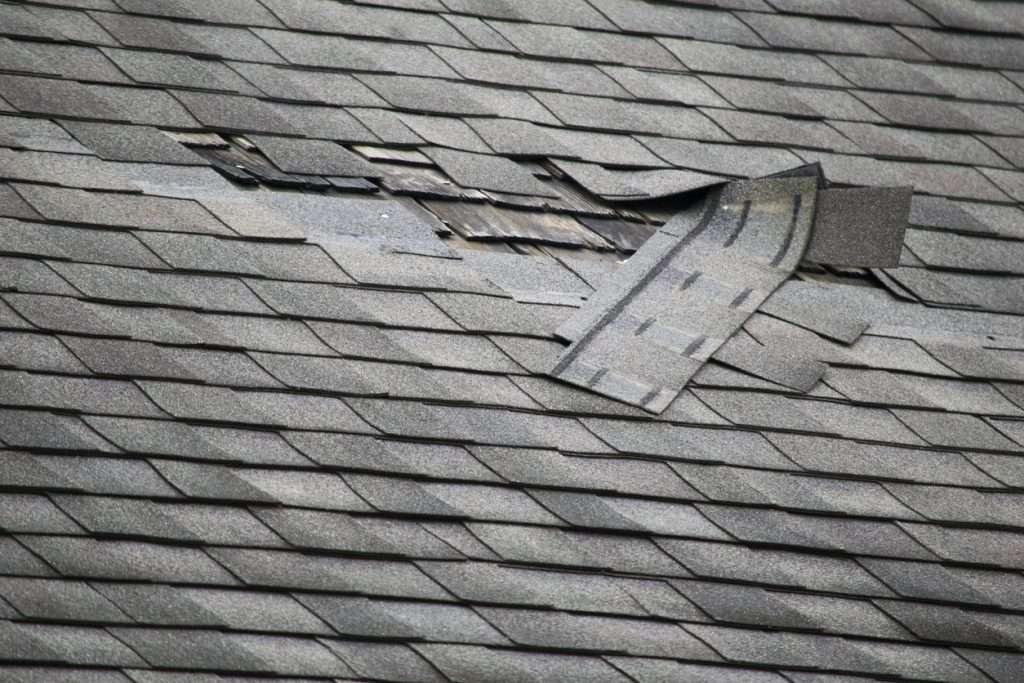
Overheated attics cause shingles to age faster. Trapped heat from below bakes the shingles, leading to curling, blistering, or cracking. This not only affects your roof’s appearance but also shortens its lifespan.
Fix:
Proper ventilation keeps attic temperatures stable and prevents thermal damage to the roofing materials. If your shingles are already showing signs of wear, a roof inspection can help determine whether a repair or replacement is necessary.
7. Wet or Compressed Insulation
Insulation is supposed to stay dry and fluffy to work effectively. If it is damp, compacted, or showing signs of mold, poor ventilation is likely to blame. Moisture in the attic seeps into insulation, making it less effective and leading to further issues.
Fix:
Start by improving attic airflow. Remove and replace any damaged insulation. Our team can also install new ventilation systems to prevent future moisture buildup.
How Executive Roofing Can Help
At Executive Roofing, we understand the impact Texas heat and humidity have on your roofing system. Our ventilation services are designed to solve issues at the source, not just mask the symptoms.
We provide:
- Attic inspections and airflow analysis
- Installation of ridge, soffit, and gable vents
- Attic fan installation (electric or solar)
- Moisture and insulation upgrades
- Shingle repair and replacement
We are a licensed, insured, and family-run roofing company that puts your comfort and safety first.
Prevent Damage Before It Starts
Many homeowners do not think about roof ventilation until problems arise. Regular roof inspections, especially before summer, can reveal early signs of poor airflow and prevent major headaches later.
Our tip: Schedule a seasonal attic check-up with our expert team. We will ensure your roof is breathing properly and recommend improvements tailored to your home.
Contact Executive Roofing Today
If you suspect your home may have ventilation issues, we are here to help. With decades of experience serving Houston, Katy, Cypress, and surrounding areas, Executive Roofing delivers personalized, community-driven roofing solutions.