Benefits of Regular Roof Maintenance
Regular roof maintenance is essential for extending the lifespan of your roof and preventing costly repairs. By scheduling routine inspections and upkeep, homeowners can identify potential issues before they escalate, ensuring the roof remains in optimal condition.
For instance, clearing debris, checking for leaks, and maintaining gutters can significantly reduce the risk of water damage and structural problems. Studies show that homes with regular maintenance can save up to 50% on repair costs over time compared to those that neglect their roofs.
Types of Commercial Roofing Systems
Understanding the various types of commercial roofing systems is crucial for making informed decisions. Each type offers unique benefits and is suited for different building structures and climates.
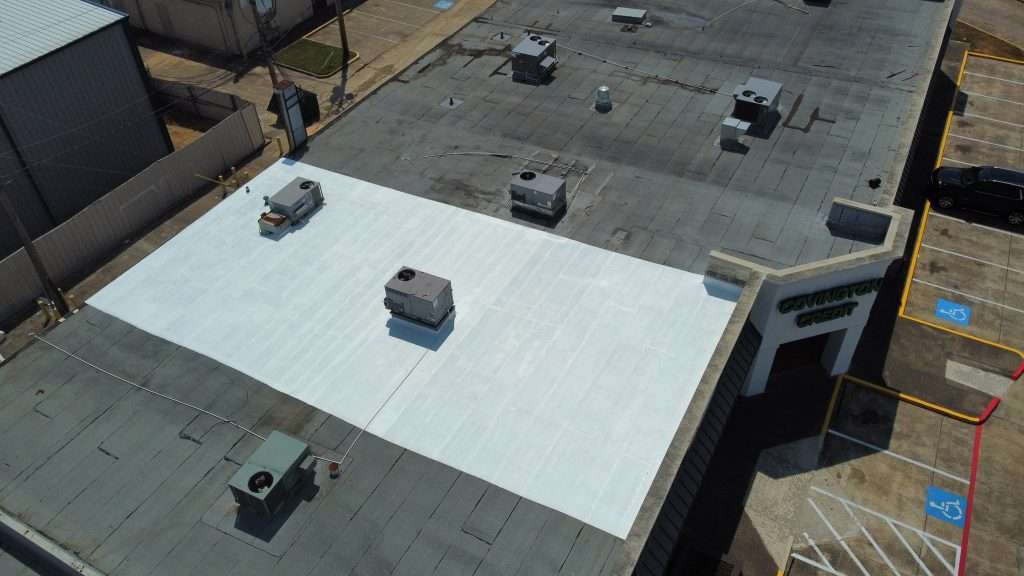
Common options include TPO, EPDM, and PVC roofing, each known for their durability and energy efficiency. For example, TPO is popular for its reflective properties, which can help lower cooling costs, while EPDM is valued for its long-lasting performance in flat roof applications.
Choosing the Right Roofing Contractor
Selecting a qualified roofing contractor is vital to ensure quality workmanship and materials. Homeowners should consider factors such as experience, customer reviews, and warranties offered when making their choice.
For example, a contractor with a proven track record and positive testimonials from previous clients can provide peace of mind. Additionally, verifying their licensing and insurance can protect homeowners from potential liabilities during the roofing project.
Understanding Roofing Warranties
Roofing warranties can vary significantly and understanding them is key to protecting your investment. They typically cover defects in materials and workmanship, but the specifics can differ based on the manufacturer and contractor.
For instance, a manufacturer’s warranty may cover materials for up to 30 years, while a workmanship warranty could last for 5 to 10 years. It's essential to read the fine print and understand what is included and excluded to avoid unexpected costs down the line.